
As an Amazon Associate, we earn from qualifying purchases. Learn more

The essential guide

How to choose an osthyvel

The Scandinavian cheese slicer turns a cold block into thin, even ribbons with less effort—and usually less waste—than a kitchen knife.

What is an osthyvel?

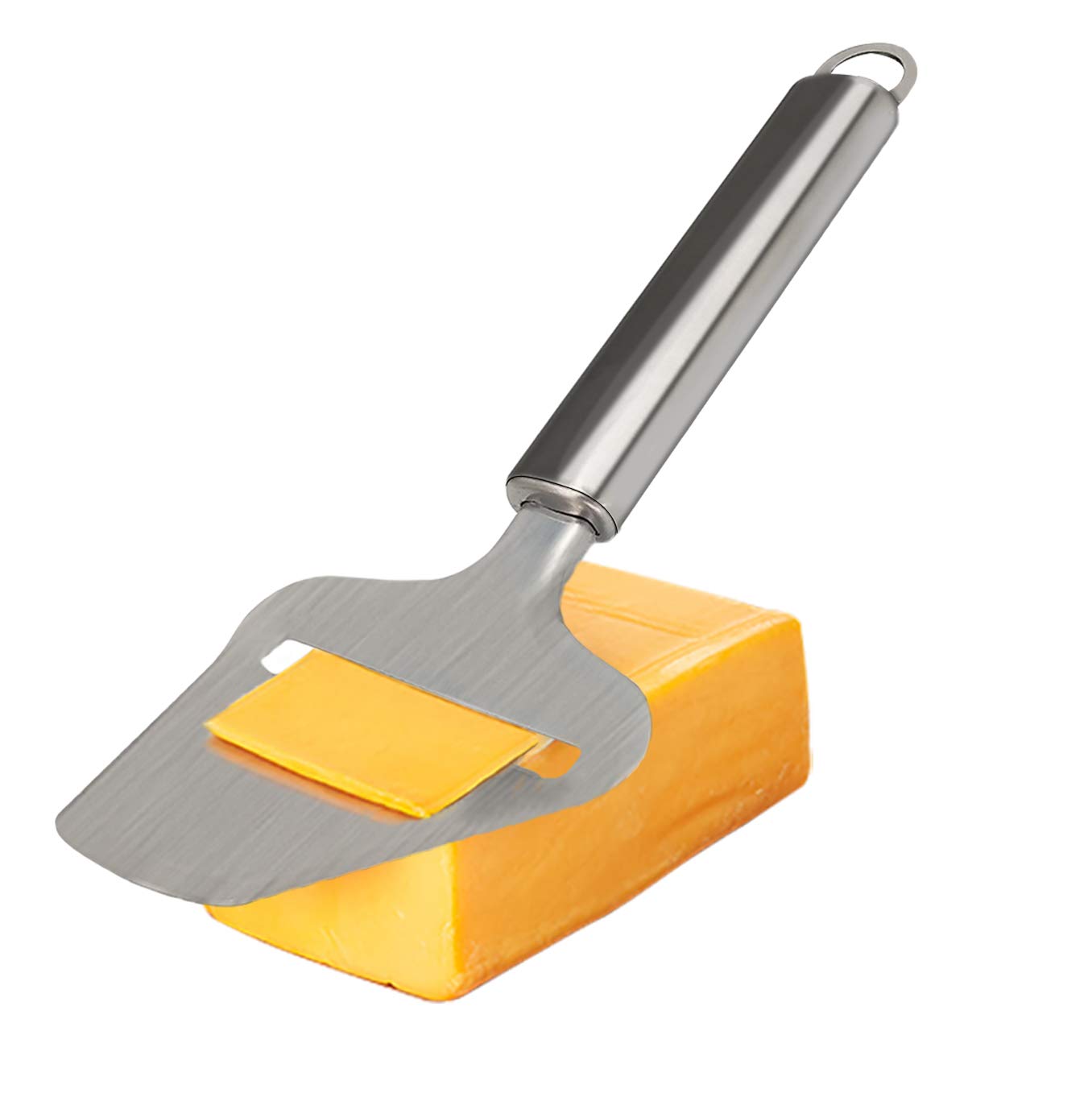
Osthyvel means “cheese plane” in Swedish. The handheld tool uses a sharpened slot in a flat metal blade to shave one consistent slice at a time. It is an everyday breakfast-table object across Scandinavia and an unusually satisfying upgrade for American sandwich makers.

Choose the blade for your cheese

A shorter, firmer plane gives more control on aged cheddar and dense gouda. A slightly flexible blade glides well over young havarti and household sandwich cheeses. Wire slicers suit softer blocks but add a part that can loosen or break.

Handle and care

All-steel models are compact and often dishwasher safe. Wood handles feel warmer and look handsome on a cheese board, but should be hand washed and dried promptly.
Good questions

Osthyvel FAQ

What does osthyvel mean?

Osthyvel literally means cheese plane in Swedish: ost is cheese and hyvel is plane.

Which cheese works with a cheese plane?

Use a plane on chilled semi-firm cheeses such as cheddar, gouda, havarti, Swiss, and Västerbottensost.

Is an osthyvel Swedish or Norwegian?

The modern cheese plane was patented by Norwegian carpenter Thor Bjørklund in 1925 and became an everyday tool across Scandinavia, including Sweden.

Can it slice anything besides cheese?

A sharp plane can make thin slices of chilled butter, cucumber, zucchini, chocolate, or firm pâté, though you should follow the maker’s care guidance.

A good place to start

Our current Swedish cheese slicer